Building Progress in Competitive Hero Games Without Losing Momentum

Competitive hero based games thrive on progression. Whether players are unlocking characters, experimenting with builds, or climbing ranked ladders, steady access to content plays a major role in long term engagement. As more multiplayer titles adopt seasonal systems and gated unlocks, players increasingly look for efficient ways to stay competitive without restarting from zero.
Marvel Rivals is a strong example of this shift. With a growing roster of iconic heroes and villains, the game rewards players who invest time early. At the same time, not everyone enters the game at launch or has the same availability to grind through early stages.
Understanding Progression Systems in Marvel Rivals
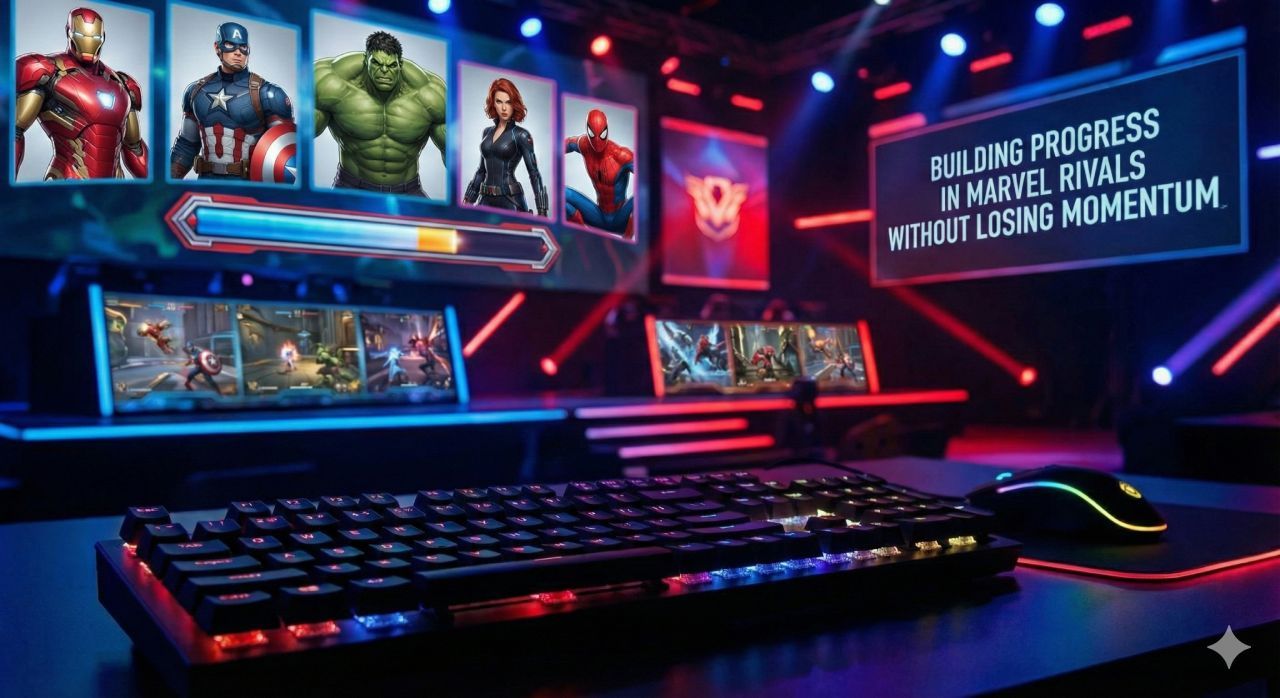
Marvel Rivals combines fast paced team combat with hero specific progression. Players unlock characters, cosmetics, and gameplay perks by completing matches, challenges, and seasonal objectives. While the system encourages experimentation, it can also slow down late entrants who want immediate access to a wider hero pool.
This is why some players choose to start with established marvel rivals accounts rather than building from the ground up. These accounts typically provide access to unlocked heroes and progression milestones, allowing players to focus on mastering mechanics and team coordination rather than repeating introductory content.
For competitive players, this approach is often about time efficiency rather than advantage. Skill still determines outcomes, but starting with a broader toolkit opens more strategic options from day one.
Time Investment Versus Competitive Readiness
Modern multiplayer games increasingly reward consistency over raw skill alone. Missing a season or falling behind in unlocks can create gaps that are difficult to close quickly. This is especially noticeable in hero based titles where counter picks and team composition play a critical role.
Players who join later often face a decision. Spend weeks unlocking essentials or find ways to accelerate access so they can practice at the same level as established competitors. In many cases, choosing the latter helps maintain motivation and avoids early burnout.
The key factor is not skipping learning but removing repetitive barriers that no longer add value for experienced players.
Digital Value Across Multiple Gaming Ecosystems
The concept of progression shortcuts is not limited to hero shooters. Other platforms demonstrate how digital assets influence player engagement. Roblox is a clear example where in game currency shapes creativity and access to premium content.
Many players explore options such as free rocket league accounts to unlock customization tools, experiences, and features that enhance gameplay. Just like in competitive hero games, these resources do not replace creativity or skill but expand what players can do within the platform.
Across both ecosystems, the underlying theme is the same. Access creates opportunity, while skill determines how far that opportunity goes.
Playing Smart in a Time Limited Environment
As gaming audiences grow older, available playtime becomes more limited. Players balance work, studies, and other commitments while still wanting meaningful progression. This reality has shifted how many approach multiplayer titles.
Rather than viewing progression shortcuts as unfair, many now see them as practical tools that allow engagement on equal footing. The focus remains on learning mechanics, understanding metas, and improving teamwork.
Games like Marvel Rivals are ultimately about execution and coordination. Starting with a more complete account simply removes friction from the early experience.
A Sustainable Approach to Competitive Gaming
Choosing how to progress is part of modern gaming strategy. Whether through consistent play or smarter entry points, players benefit most when they align progression with their goals and time constraints.
For competitive hero games, having immediate access to core content supports learning and enjoyment. The challenge remains the same. Improve decision making, adapt to opponents, and perform under pressure.
Progression opens the door. Performance decides what happens next.