Why Live-Service Games Like Marvel Rivals Hook You
It's 1:40 a.m. You promised yourself one more match three matches ago. A Gorr just dived your Strategist for the fourth time, you lost in overtime at 99%, and your thumb is already on the queue button.
A room full of designers spent years planning that moment. Live-service games run on the same handful of psychological hooks, and Marvel Rivals uses them better than most. Once you can name them, you get to decide which ones you're happy to bite.
The season clock
Season 10 went live on September 11. NetEase added Gorr the God Butcher as the 54th hero, reworked Scarlet Witch and knocked every ranked player down six divisions.
Look at the reset first. You spent nine weeks climbing to Diamond, and the game took it away overnight. Psychologists call your reaction loss aversion: losing something you own stings about twice as hard as gaining the same thing feels good. You log in on day one because you want your rank back, and NetEase knows you will.
The new hero works on a different nerve. A 54th character scrambles the meta, so the comfort picks that carried you last month might sit two tiers lower today. You have to relearn matchups and check the live tier list, and relearning feels fresh in a way a ninth week of the same meta can't. The mid-season patch repeats the trick at the halfway mark, right around the time your interest would start to dip.
The three things your brain wants from a match
In 2006, a team led by psychologist Richard Ryan at the University of Rochester ran four studies on why people keep playing video games. Their paper, The Motivational Pull of Video Games, found that three needs predicted both enjoyment and whether players came back: competence, autonomy and relatedness.
Rivals feeds all three.
Competence is the feeling that you're getting better. The ranked ladder gives you a number for it, and hero proficiency gives you a second one. That Lord icon next to your main feels good because you can point at it.
Autonomy is choice. With 54 heroes across three roles, you decide what kind of player you are tonight: the Vanguard holding the front, the Duelist flanking through a side door, or the Strategist keeping five strangers alive.
Relatedness is the social glue, and Rivals has a mechanic built for it. Team-Ups hand you a bonus ability when a specific teammate is on the field, so the game rewards you for caring about who you play with. Queue with a friend who mains your Team-Up partner and you'll feel it within one fight.
Ten minutes, and you can't tell which ten
A Rivals match runs about ten minutes. That's short enough for "one more" to sound reasonable, and long enough for a comeback.
The stronger hook is that you can't predict the next one. You might get stomped in spawn, or you might win a triple-overtime brawl you talk about for a week. B.F. Skinner showed in the 1950s that rewards arriving on an unpredictable schedule produce the most persistent behaviour of any pattern he tested. His pigeons pecked longest when they couldn't tell which peck would pay.
Game designers didn't invent that schedule and they don't own it. A slot machine runs on the same principle, and so does any online casino app built for adults. Social feeds use it each time you pull to refresh. In a hero shooter the uncertainty comes from eleven other humans rather than a random number generator, and the only thing at stake is your rank. The wiring in your head is the same, though. It explains why a 99% overtime loss makes you want to requeue more than a clean win does. Researchers who study gambling call that the near-miss effect.
The battle pass that lets you walk away
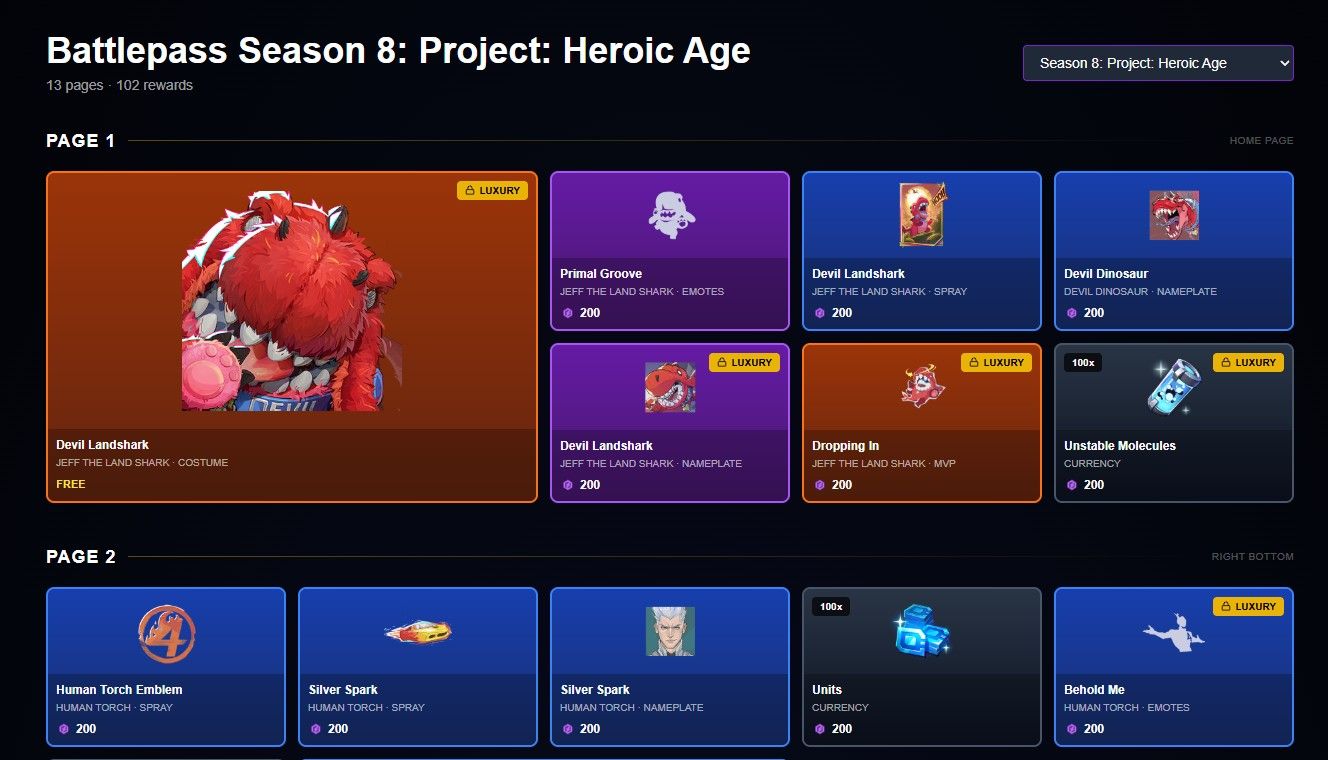
Most battle passes run on a deadline. You pay, the clock starts, and anything you haven't unlocked by the end of the season disappears. That fear of missing out turns a game into a second job during the final week.
NetEase went the other way. The studio confirmed in an official Dev Talk that a purchased Battle Pass doesn't expire, and you can keep unlocking its rewards in later seasons. There's fine print: your unspent Chrono Tokens reset when a season ends, so spend them before the rollover. Even so, the pass removes the worst kind of pressure. You can skip a week, come back, and the costumes you paid for are still waiting.
It's smart business too. Players who don't feel punished for taking a break tend to return, and a player who returns buys the next pass.
Playing on your own terms
Knowing the hooks won't switch them off. It does let you set the rules before the game sets them for you.
Decide your match count before you queue. "Three games" is a plan. "Until I win" is how you end up awake at 3 a.m.
Stop after two losses in a row. Tilt makes you play worse, worse play loses more games, and the near-miss effect will keep telling you the next one is yours.
Pick one goal per season. Lord on a single hero, or one rank above last season's peak. A clear target feeds your need for competence without asking for every evening.
Let the pass wait. It doesn't expire, so you have no reason to grind it on a night you'd rather sleep.
Hero number 55 will arrive before you've settled into this meta, and the ladder resets again a few weeks after that. This time you'll recognise each hook as it lands, and you can decide which ones are worth your evening.