Marvel Rivals Wiki: Complete Guide to NetEase’s Hero Shooter
Key Takeaways
Marvel Rivals is a free-to-play 6v6 third-person hero shooter developed by NetEase Games and Marvel Games, released December 6, 2024
Features 43 announced playable Marvel characters across Vanguard, Duelist, and Strategist roles with unique team-up abilities
Story centers on the Timestream Entanglement caused by Doctor Doom variants merging multiple Marvel timelines
Game reached over 40 million players by February 2025 and generated approximately $135 million in its first month. Marvel Rivals maintained over 40 million players within months of its launch, achieving significant milestones.
Available on PlayStation 5, Xbox Series X/S, and Windows with cross-platform support and seasonal content updates
Overview
Marvel Rivals has emerged as the definitive hero team-based PvP shooter set within the Marvel Multiverse, developed through a collaboration between NetEase Games and Marvel Games. Since its Marvel Rivals release on December 6, 2024, this free-to-play title has captured the attention of both Marvel Universe enthusiasts and competitive gaming communities worldwide.
The game combines the strategic depth of team-based combat with the rich lore and diverse character roster of Marvel’s extensive catalog. Built on Unreal Engine 5, Marvel Rivals delivers stunning visuals with a dynamic comic-style art direction that blends 2D and 3D techniques, bringing superheroes and villains to life in destructible environments. Players engage in intense 6v6 matches where coordination, character synergy, and environmental manipulation determine victory.
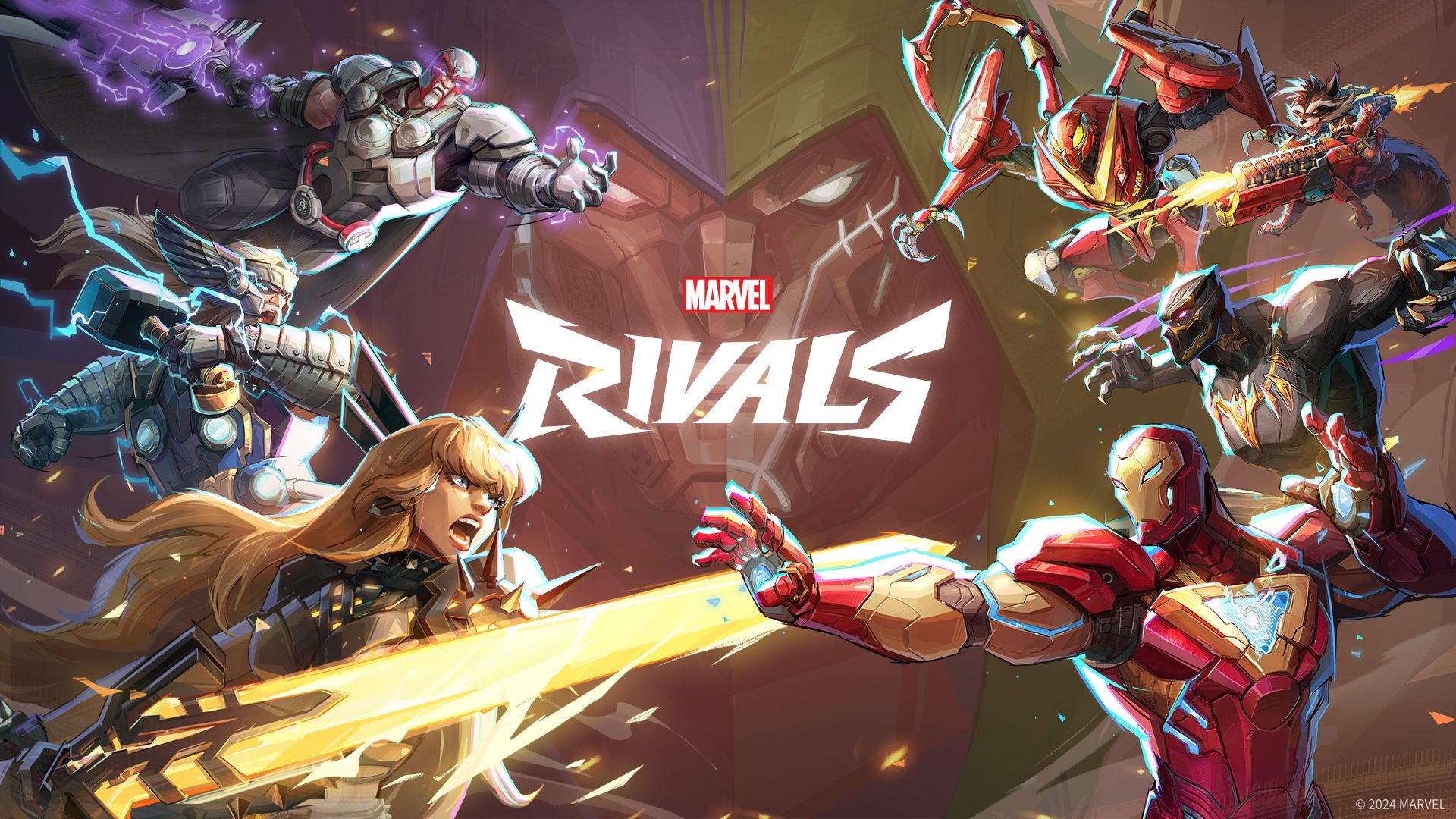
What sets Marvel Rivals apart from other entries in the hero shooter genre is its innovative team-up abilities system, allowing specific character combinations to unlock enhanced skills that can dramatically shift the tide of battle. This mechanic encourages strategic team composition and rewards players who understand the intricate relationships between Marvel’s iconic characters.
The game operates on a live-service model with regular seasonal updates, introducing new playable characters, maps, cosmetic skins, and story content. With cross-platform support across PlayStation 5, Xbox Series X/S, and Windows, players can team up with friends regardless of their preferred gaming platform.
Gameplay
Marvel Rivals operates as a superhero team-based PvP experience where two teams of six players compete across various objective-based game modes. The core gameplay revolves around strategic character selection, coordinated team play, and mastering each hero’s unique abilities within destructible environments.
Role System and Team Composition
The character roster is divided into three distinct roles that form the backbone of effective team composition:
Vanguard Heroes serve as the frontline tanks, absorbing damage and creating space for their allies. These playable characters excel at protecting objectives and initiating team fights. Vanguard heroes serve as tanks and possess large health pools and mitigation abilities. Examples include Hulk, whose massive presence can literally reshape the battlefield, and Groot, who provides both defensive barriers and crowd control capabilities.
Duelist Heroes function as the primary damage dealers, specializing in eliminating enemy targets and applying pressure. These agile combatants excel in both close-quarters combat and ranged engagements. Iron Man exemplifies this role with his versatile arsenal and aerial mobility, while Spider-Man brings hit-and-run tactics with his web-slinging abilities.
Strategist Heroes focus on supporting their team through healing, buffs, and utility abilities. These characters ensure team sustainability and provide crucial tactical advantages. Doctor Strange manipulates reality to protect allies and control space, while Mantis offers potent healing abilities and crowd control support.
Team-Up Abilities and Synergy
The dynamic hero synergy system represents Marvel Rivals most innovative gameplay feature. When specific character pairs are present on the same team, they unlock enhanced abilities that go beyond their individual kits. Each character has a unique ultimate ability that requires an ultimate charge meter to build up. For example, Rocket Raccoon can ride Groot for increased mobility and firepower, while Hulk can supercharge Iron Man’s attacks for maximum damage output.
These synergistic relationships encourage players to coordinate their character selections and develop strategies around powerful combinations. The system rewards teams that understand character relationships from the Marvel universe and can execute coordinated plays effectively.
Environmental Destruction and Map Interaction
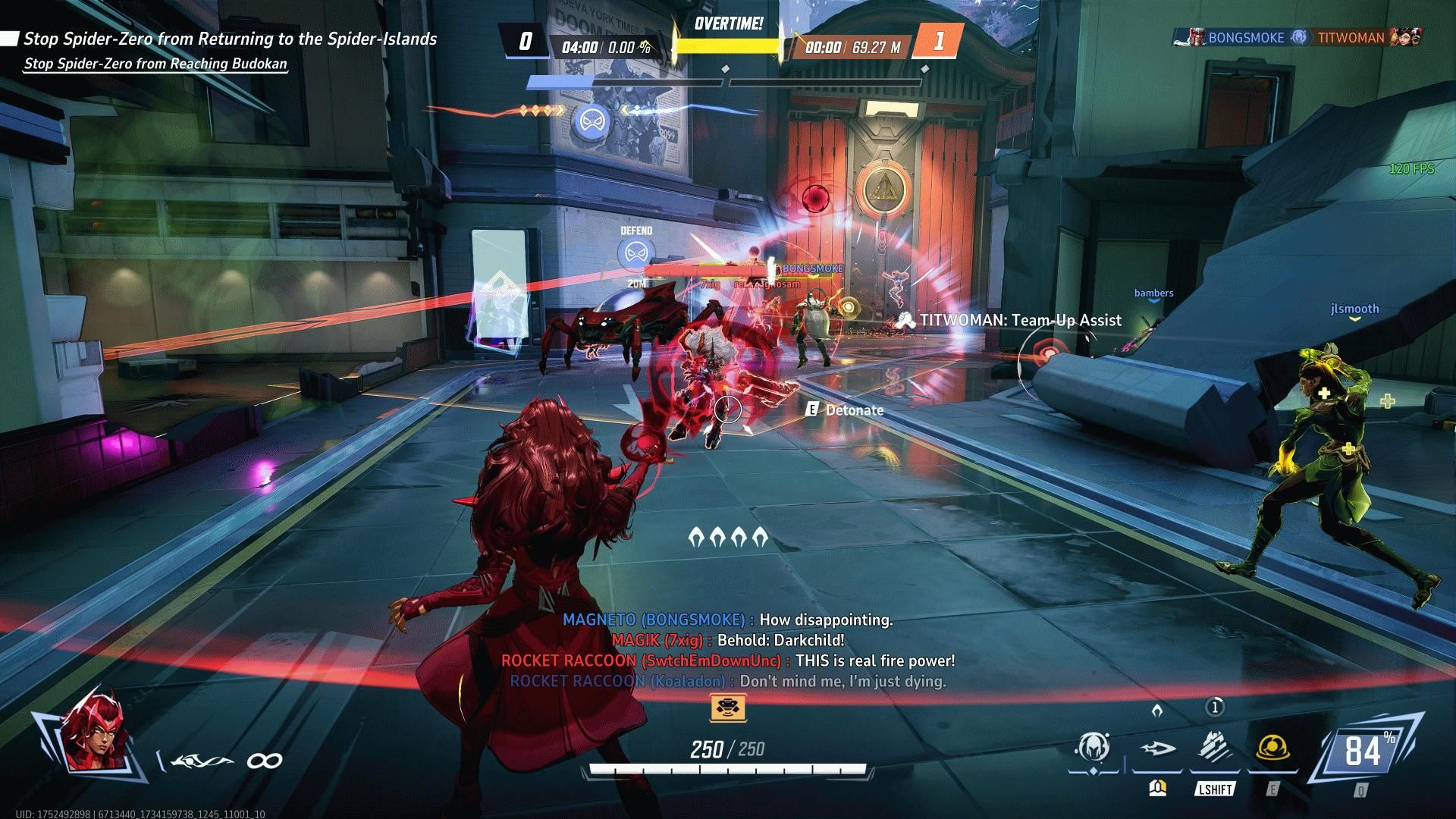
Unlike traditional hero shooters, Marvel Rivals features fully destructible environments that players can manipulate tactically. Super heroes can demolish walls to create new sightlines, collapse structures to deny enemy positions, or reshape entire map sections during intense team fights. This environmental interaction adds a layer of strategic depth as teams must constantly adapt to changing battlefield conditions.
Characters and Heroes
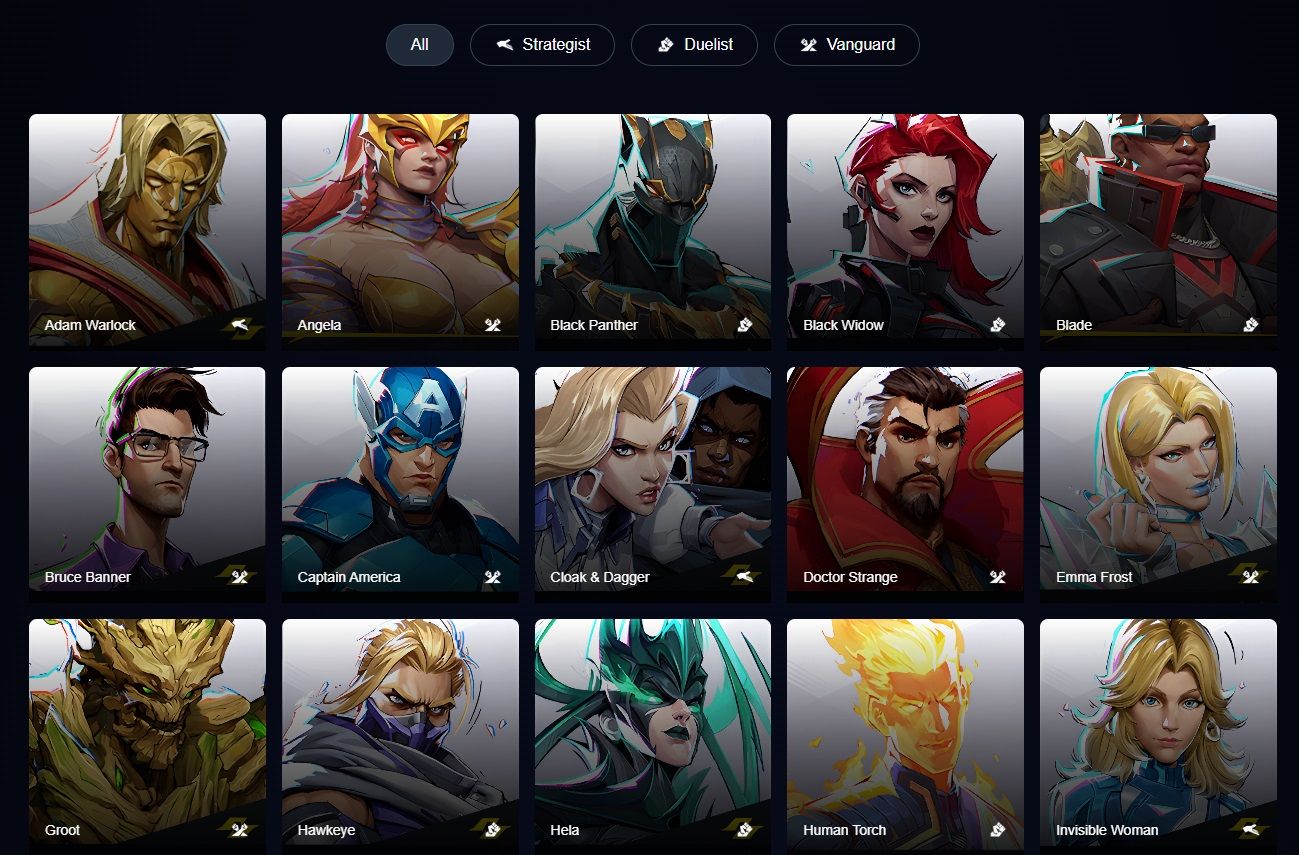
The playable heroes roster in Marvel Rivals spans the entire breadth of the Marvel universe, from household names like Spider-Man and Iron Man to lesser known characters that dedicated fans will appreciate. As of Season 4.5, the game features 43 announced characters, with 42 currently playable in-game.
Character Categories and Examples
Vanguard Heroes include powerhouse characters designed to lead the charge and protect their teams. Captain America brings his iconic shield and leadership abilities, while Magneto manipulates metal structures and projectiles to control the battlefield. The Thing from the Fantastic Four serves as an immovable wall of stone, perfect for holding critical positions.
Duelist Heroes feature the most diverse array of playstyles, from the web-slinging acrobatics of Spider-Man to the mystical arrows of Hawkeye. Black Widow excels in stealth and precision strikes, while Storm commands weather-based attacks that can devastate grouped enemies. Each duelist character offers unique approaches to securing kills and applying pressure.
Strategist Heroes provide the tactical backbone that enables their teams to succeed. Mantis offers powerful healing and crowd control, while Adam Warlock brings resurrection abilities and energy manipulation. Jeff the Land Shark might seem unconventional, but his unique support capabilities make him a valuable addition to any team composition.
Team-Up Combinations
The game’s creative director has designed numerous team-up abilities that reflect character relationships from comic book lore. Rocket and Groot’s partnership allows Rocket to mount his tree companion for enhanced mobility and firepower. The Hulk can grab and throw allies like Wolverine across the battlefield, creating unexpected engagement opportunities.
These combinations extend beyond obvious partnerships, rewarding players who experiment with different character pairings. Some team-ups focus on offensive capabilities, while others provide defensive utility or mobility enhancements that can shift strategic positioning.
Cosmetic Options
Marvel Rivals offers an extensive collection of cosmetic skins that celebrate both classic comic book designs and modern interpretations. Players can unlock other cosmetic skins through seasonal battle passes, completing challenges, or purchasing specific items. The variety ranges from alternate universe versions to Marvel Cinematic Universe-inspired designs.
Notable examples include Emma Frost’s White Queen ensemble, various Spider-Man suit variations, and themed collections that celebrate specific Marvel storylines or events. The design process ensures that each cosmetic maintains the character’s core identity while offering visual variety.
Game Modes
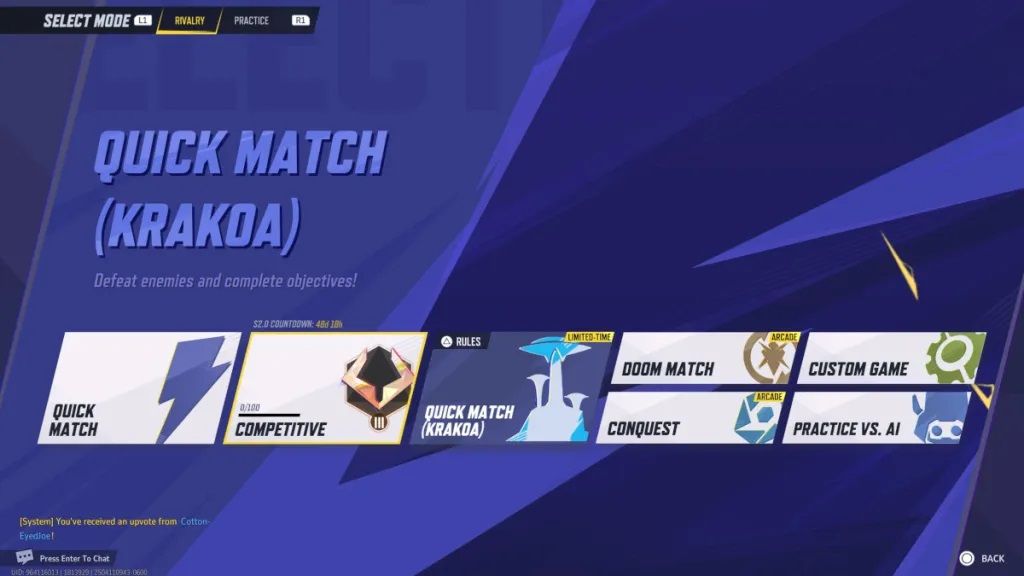
Marvel Rivals features a diverse selection of competitive and casual game modes designed to accommodate different playstyles and skill levels. Each game mode presents unique objectives that require specific strategies and team compositions to achieve victory.
Competitive Modes
Convoy operates as an asymmetric escort mission where the attacking team must guide a payload through multiple checkpoints while the defending team attempts to halt their progress. This game mode emphasizes sustained teamwork and requires careful resource management as teams alternate between offensive and defensive rounds.
Convergence challenges teams to capture and hold sequential control points in a best-of-three format. Success depends on coordinated pushes and defensive positioning, with each capture point offering strategic advantages for controlling map flow.
Domination focuses on zone control, where both teams compete for dominance over designated areas. Teams must balance between aggressive expansion and defensive consolidation to accumulate the most points within the time limit.
Casual and Limited-Time Modes
Resource Rumble provides a more relaxed experience where teams collect resources scattered across the map while engaging in combat. This mode allows players to experiment with different characters and strategies without the pressure of ranked competition.
Doom Match creates chaotic free-for-all scenarios where individual skill takes precedence over team coordination. The first team to secure sufficient kill points wins, making it perfect for players wanting to focus on personal performance.
Special limited-time modes appear during seasonal events, offering unique rule sets and rewards. These might include modified gravity, enhanced abilities, or special objectives that celebrate specific Marvel storylines or holidays.
Ranked System
The competitive ranking system tracks player progression through multiple divisions, with seasonal resets ensuring fresh competition cycles. Players advance by winning matches, with individual performance and team composition effectiveness influencing rating changes. The system encourages diverse character mastery rather than specializing in single heroes.
Maps and Locations
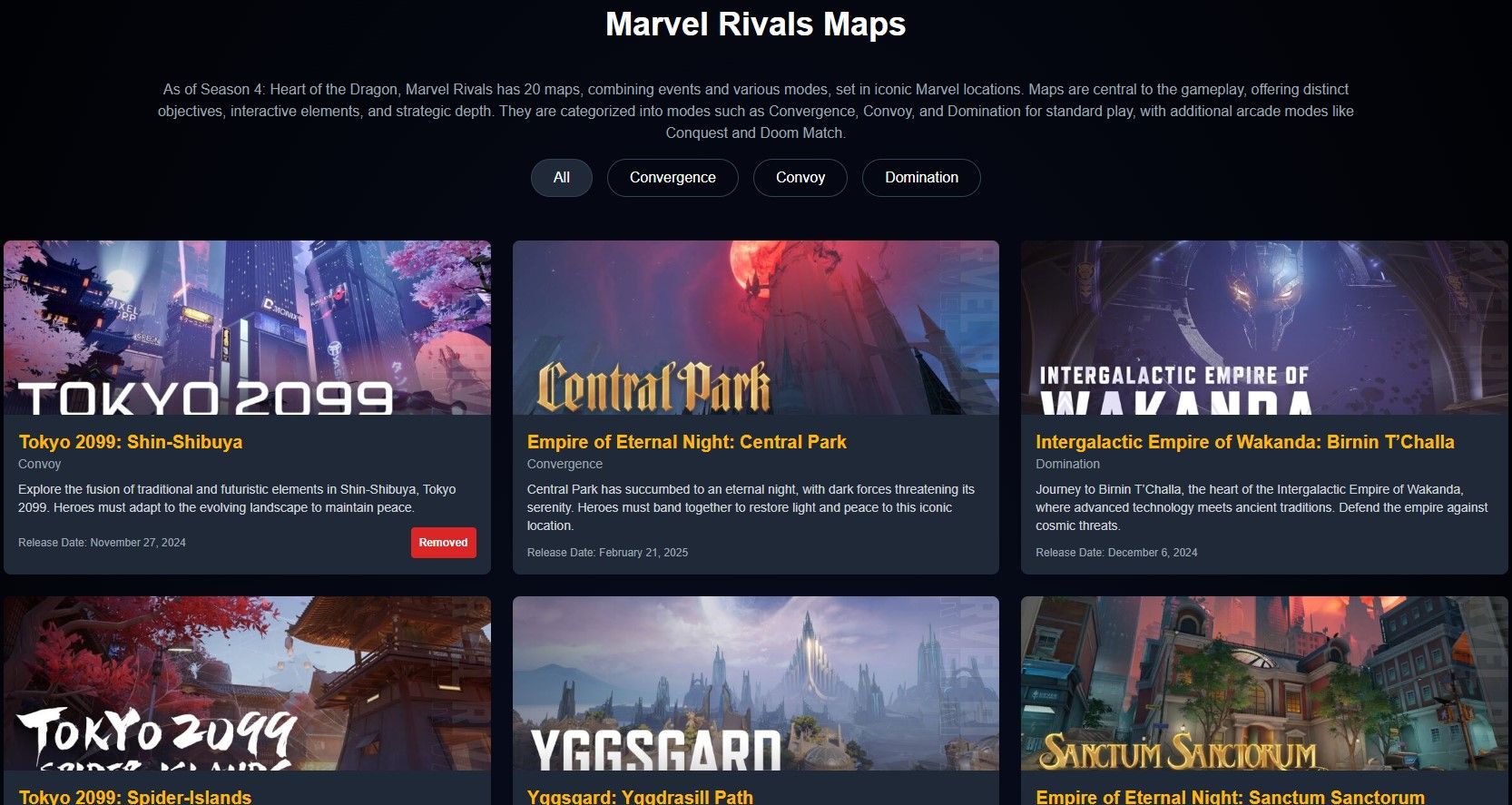
Marvel Rivals features 17 unique maps across Season 3, each representing iconic locations from the Marvel multiverse. Players can enjoy diverse maps inspired by the Marvel universe, with each map featuring destructible environments. These battlegrounds range from cosmic realms to earthbound landmarks, providing diverse tactical environments for teams to master.
Iconic Marvel Locations
Asgard showcases the grandeur of the eternal night realm with its golden spires and mystical architecture. The map features multiple elevation levels and destructible royal palace structures that teams can use for tactical advantages or environmental eliminations.
Central Park brings the fight to New York City’s famous green space, but with a dark twist as Knull’s influence corrupts the familiar landscape. Players navigate between tree cover and open areas while dealing with symbiotic surface hazards that add environmental pressure.
Krakoa represents the mutant nation with organic, living structures that respond to combat. The map’s unique geometry reflects its status as a sentient island, creating dynamic sightlines and positioning opportunities that shift during matches.
Tokyo 2099 presents a futuristic cyberpunk landscape where vertical movement becomes crucial. The map’s multi-level design encourages aerial combat and rewards heroes with strong mobility options.
Specialized Combat Environments
Wakanda combines advanced technology with traditional African architecture, offering both indoor royal palace complexes and outdoor Vibranium mining areas. The map’s design reflects the nation’s dual nature of tradition and innovation.
Klyntar takes players to the symbiote homeworld, where the very ground pulses with alien life. Environmental hazards and shifting terrain create additional challenges beyond enemy teams.
Hellfire Gala provides an elegant ballroom setting that becomes increasingly chaotic as destructible elements transform the refined environment into a superhero battleground.
Each map tells part of the larger in-game story while providing distinct strategic considerations. Teams must adapt their composition and tactics based on map-specific features, elevation changes, and environmental hazards.
Story and Lore
The narrative foundation of Marvel Rivals centers on the Timestream Entanglement, a cosmic catastrophe that serves as the backdrop for bringing together heroes and villains from across the Marvel Multiverse. This event provides narrative justification for the diverse character roster while creating ongoing story content through seasonal updates.
The Timestream Entanglement
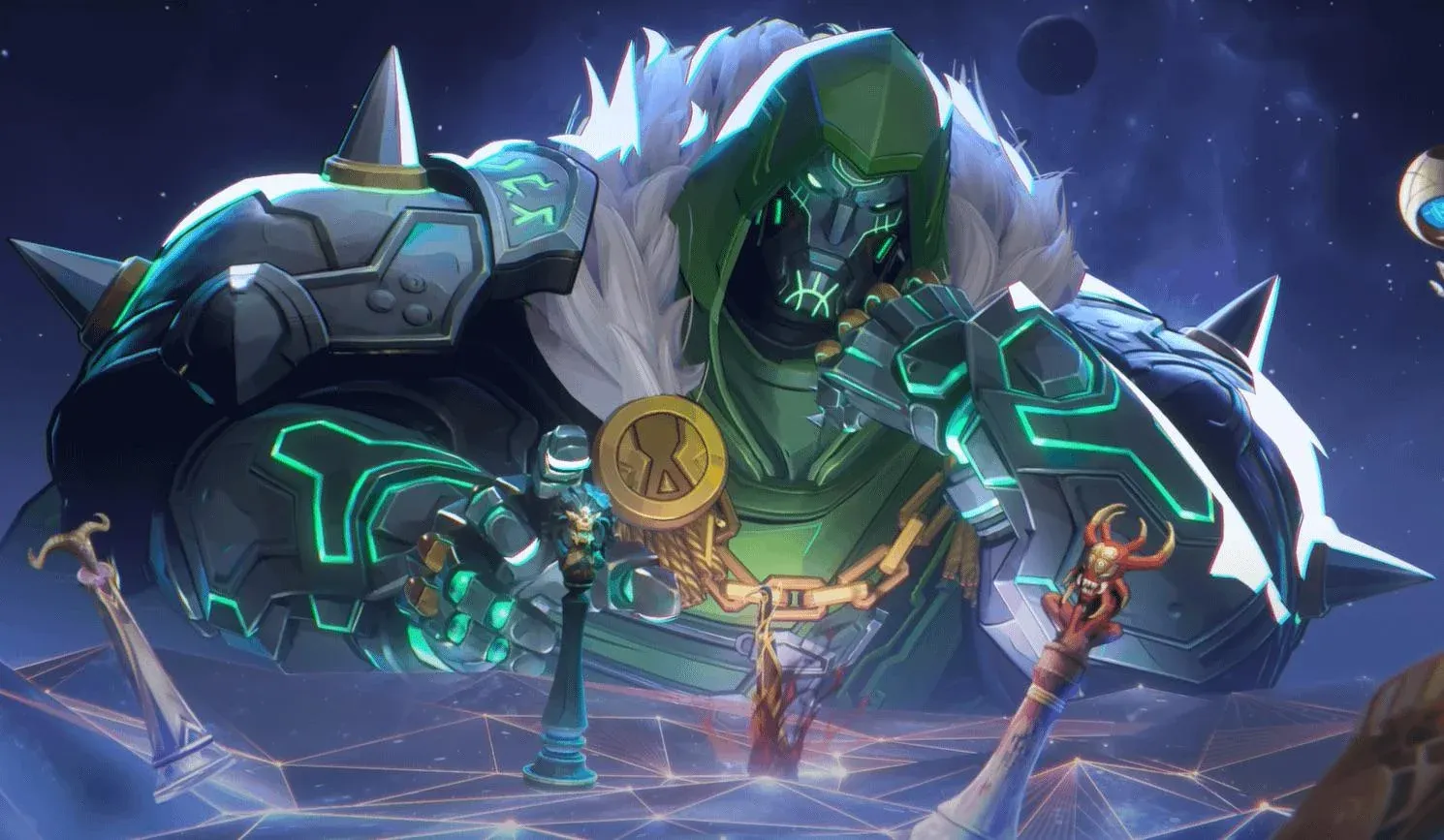
Doctor Doom, working alongside his 2099 counterpart, initiates a complex scheme to harness Chronal Chi, a powerful temporal energy source. Their manipulation of time streams causes multiple Marvel timelines to converge, creating the chaotic battlefield where heroes and villains must cooperate against even greater danger.
The convergence brings together characters who might never interact in traditional Marvel continuity, allowing for unique team dynamics and relationships. This narrative framework enables the game to introduce virtually any Marvel character while maintaining story coherence.
Key Story Characters
Galacta, the daughter of Galactus, plays a crucial role as both narrator and participant in the unfolding events. Her cosmic perspective provides insight into the multiverse-threatening implications of the Timestream Entanglement.
Knull, the symbiote god, emerges as a primary antagonist whose influence corrupts various map locations. Knull’s fall creates ripple effects throughout the entangled timelines, affecting both heroes and villains as they navigate the merged realities.
Hela, the Asgardian goddess of death, becomes central to recent story developments as she escapes from heaven, demanding justice while being pursued by other cosmic entities.
Seasonal Narrative Development
Each season advances the overarching story while introducing location-specific plots. The seven capitals become focal points for major story beats, with each map telling part of the larger narrative through environmental storytelling and character interactions.
The intergalactic empire struggles with the reality of merged timelines, while Earth-based heroes deal with the practical implications of fighting alongside former enemies. These story elements provide context for team-up abilities and character relationships that extend beyond gameplay mechanics.
Recent developments hint at the involvement of cosmic entities like the slumbering dragon Shou Lao and suggest that the eighth city may hold keys to resolving the temporal crisis.
Development and Release
The collaboration between NetEase Games and Marvel Games represents a significant partnership bringing together NetEase’s technical expertise in competitive gaming with Marvel’s extensive character catalog and storytelling legacy. The development team has prioritized both competitive integrity and authentic Marvel character representation.
Development Timeline
Marvel Rivals was first announced in March 2024, generating immediate excitement within both gaming and Marvel fan communities. The development team conducted extensive alpha and beta testing phases throughout 2024, gathering player feedback to refine gameplay mechanics and character balance.
The game’s creative director emphasized the importance of maintaining each character’s unique identity while ensuring competitive viability. This philosophy guided the design process for both individual character abilities and the innovative team-up abilities system.
Platform Strategy
Marvel Rivals launched simultaneously on PlayStation 5, Xbox Series X/S, and Windows PC, with cross-platform play enabled from day one. This approach maximized the potential player base while ensuring friends could play together regardless of their preferred gaming platform.
PlayStation 4 support is scheduled for September 2025, expanding accessibility to players who haven’t upgraded to current-generation consoles. The development team has committed to maintaining feature parity across all supported platforms.
Technical Implementation
Built on Unreal Engine 5, Marvel Rivals leverages cutting-edge technology to deliver both visual fidelity and competitive performance. The destructible environment system required significant technical innovation to ensure consistent gameplay experiences across all platforms while maintaining the spectacle of superhero combat.
The networking infrastructure supports the game’s live-service model with seamless content updates, character additions, and seasonal progression systems. Anti-cheat measures and server architecture prioritize competitive integrity for ranked play.
Marketing and Community Reception
The pre-launch marketing campaign generated significant community discussion, though not without controversy. A non-disparagement clause in early content creator agreements sparked backlash before being quickly revised based on community feedback.
Despite initial marketing missteps, the quality of the beta testing experience and positive word-of-mouth from early players built substantial anticipation for the official launch.
Player Statistics and Reception
Marvel Rivals achieved remarkable success metrics that established it as a major player in the competitive gaming landscape. The game’s combination of beloved Marvel characters and solid competitive mechanics resonated strongly with both casual and hardcore gaming audiences.
Launch Success Metrics
Within 72 hours of release, Marvel Rivals attracted over 10 million players across all platforms, demonstrating the immediate appeal of the Marvel-themed hero shooter concept. This rapid adoption reflected both effective marketing and strong word-of-mouth recommendations from early players.
By February 2025, the player base had expanded to over 40 million registered users, indicating sustained growth beyond the initial launch excitement. These numbers position Marvel Rivals among the most successful new competitive games of 2024-2025.
Platform Performance
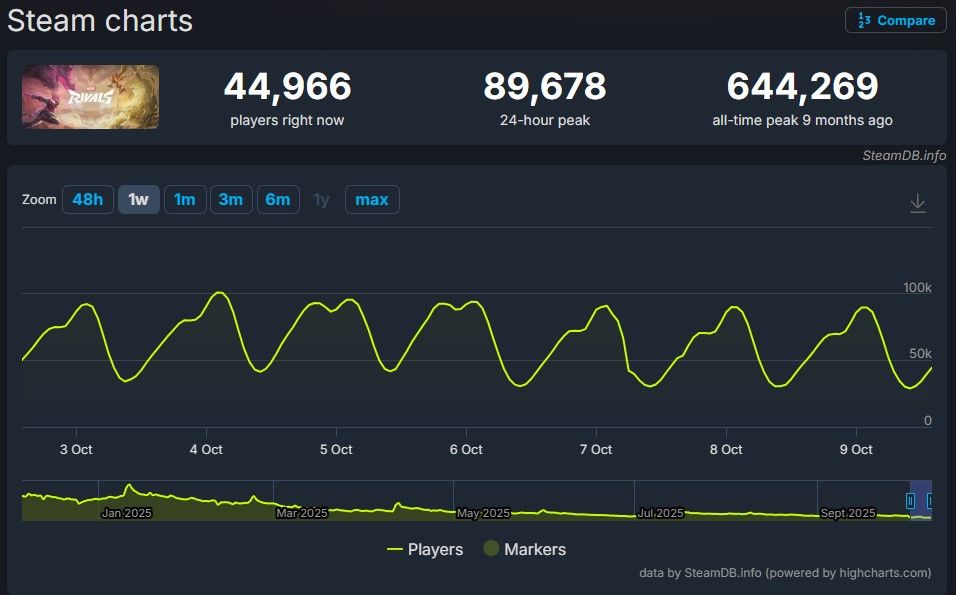
Steam concurrent player counts peaked at over 644,000 users, ranking as the 14th highest peak in Steam’s history. This achievement is particularly notable for a free-to-play title launching alongside established competitors in the hero shooter genre.
Console platforms also showed strong engagement, with PlayStation and Xbox communities contributing significantly to the overall player base. Cross-platform play metrics indicate healthy player distribution across all supported systems.
Revenue and Monetization Success
Industry estimates suggest Marvel Rivals generated approximately $135 million in revenue during its first month across all platforms. This figure includes battle pass purchases, cosmetic skins, and other purchasable cosmetics based on Marvel’s extensive character catalog.
The monetization model has proven effective while maintaining the game’s free-to-play accessibility. Players can enjoy the complete gameplay experience without mandatory purchases, while cosmetic options provide revenue streams for ongoing development.
Critical Recognition
The game received positive reviews from both gaming press and Marvel fans, praising the authentic character representation and innovative team-up mechanics. Marvel Rivals earned a nomination for Online Game of the Year at the D.I.C.E. Awards, recognizing its impact on competitive gaming.
Community sentiment remains largely positive, with regular feedback incorporation and responsive developer communication helping maintain player satisfaction through the crucial post-launch period.
Seasons and Updates
Marvel Rivals maintains an active live-service model with regular seasonal content that introduces new heroes, maps, story developments, and cosmetic options. From Season 3 onward, seasons are planned to last two months, introducing a new hero on a monthly basis. Each season typically lasts 8-10 weeks, providing a steady stream of fresh content while allowing players time to master new additions.
Season Structure and Progression
Each season features a comprehensive battle pass with both free and premium tracks, offering progression rewards including cosmetic skins, character unlocks, and premium currency. Completing challenges throughout the season provides additional reward opportunities and keeps players engaged with different aspects of gameplay.
Seasonal themes often align with Marvel comics events or storylines, creating cohesive content packages that appeal to both gaming and comics communities. This approach ensures that each season feels distinct while contributing to the overarching narrative.
Recent Season Highlights
Season 3: Hellfire Gala introduced Emma Frost and Ultron as new playable characters while adding the luxurious Hellfire Gala map. The season’s storyline focused on high-society intrigue with superhero complications, providing both elegant environments and intense combat scenarios.
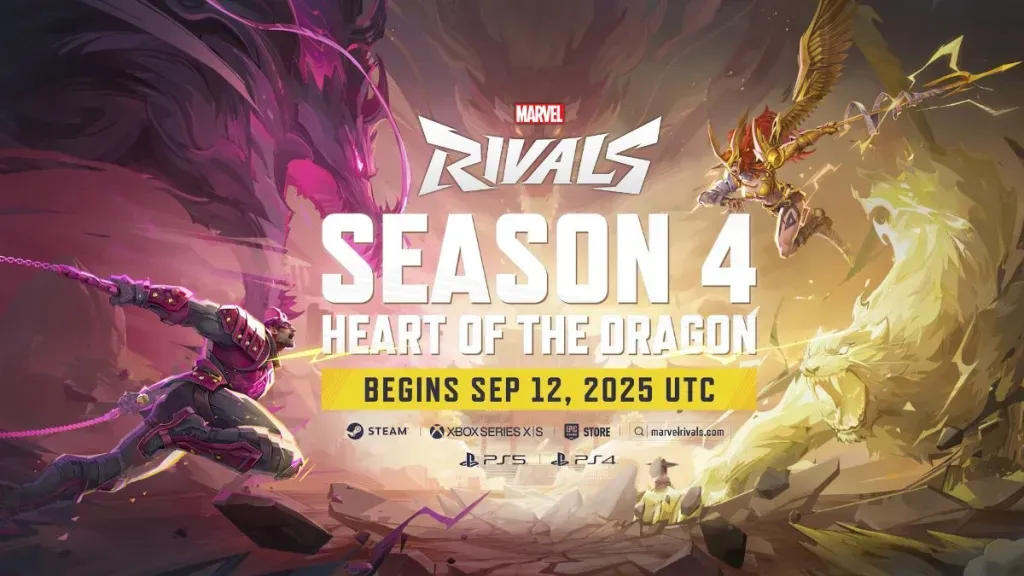
Season 4: The Abyss Awakens brought Phoenix and Blade to the character roster while expanding the cosmic horror elements of the overarching story. New maps explored darker themes while maintaining the game’s signature destructible environment mechanics.
Balance Updates and Patches
Regular balance patches address character performance discrepancies and refine gameplay mechanics based on community feedback and competitive data. The development team prioritizes maintaining each character’s unique identity while ensuring no single hero dominates the meta.
Team-up abilities receive particular attention during balance updates, as their synergistic nature creates complex interactions that require careful tuning. The goal is maintaining strategic diversity while preventing overpowered combinations from warping competitive play.
Future Content Pipeline
The development team has committed to monthly new hero releases, ensuring a steady expansion of playable characters throughout 2025 and beyond. This cadence allows for thorough testing and integration while maintaining player excitement for upcoming additions.
Upcoming content hints suggest continued exploration of Marvel’s deep character catalog, with both mainstream favorites and lesser known characters receiving consideration for inclusion. The team-up abilities system provides numerous possibilities for creative character interactions that haven’t been explored yet.
Community events and limited-time modes provide additional content between major seasonal updates, ensuring players always have new experiences to pursue. These events often celebrate Marvel milestones or introduce special cosmetic opportunities.
FAQ
Is Marvel Rivals free to play? Yes, Marvel Rivals is completely free-to-play on all platforms, though PlayStation and Xbox users need active online subscriptions for multiplayer. All core gameplay features, including access to the full character roster and game modes, are available without any upfront cost. Players can also participate in short-term holiday events featuring limited-time modes and themed cosmetics for completing challenges.
How many heroes are available in Marvel Rivals? As of 2025, there are 43 announced heroes with 42 currently playable in-game, spanning across Vanguard, Duelist, and Strategist roles. The development team releases new heroes monthly, continuously expanding the roster with characters from across the Marvel universe.
What are Team-up abilities in Marvel Rivals? Team-up abilities are special enhanced skills that activate when specific character pairs are on the same team, encouraging strategic character selection and team composition. For example, Rocket Raccoon can ride Groot for enhanced mobility, while Hulk can supercharge Iron Man’s attacks for increased damage output.
Can I play Marvel Rivals across different platforms? Yes, Marvel Rivals supports full cross-platform play between PlayStation 5, Xbox Series X/S, and Windows PC, including cross-platform voice chat. Players can team up with friends regardless of their chosen gaming platform, with unified friend lists and progression tracking.
What is the Timestream Entanglement story about? The Timestream Entanglement is the main storyline where Doctor Doom and his 2099 counterpart cause a collision between timelines, merging multiple Marvel universes and forcing heroes and villains to fight together. This narrative framework explains how characters from different Marvel timelines can coexist and provides ongoing story content through seasonal updates.