Ranking Every Marvel Rivals Strategist Character for Team Play
At the heart of successful team strategies lie the Strategists - support characters who keep their allies fighting at peak performance through healing, buffs, and tactical advantages.
These strategist heroes do much more than simply patch up wounds. A skilled Strategist can:
Turn the tide of battle with well-timed healing
Amplify their team's damage output
Create opportunities for game-changing plays
Provide crucial utility through unique abilities
One such Strategist, Adam Warlock, excels at supporting his team through healing and revival abilities while dealing consistent damage. We've analyzed every strategist character in Marvel Rivals to create a definitive ranking based on their effectiveness in team play. This comprehensive evaluation examines each Strategist's:
Healing capabilities
Offensive potential
Survivability
Team utility
Skill requirements
Whether you're new to support roles or looking to optimize your team composition, this ranking will help you understand the strengths and limitations of each Strategist. From Mantis's high-skill healing orbs to Rocket Raccoon's strategic respawn support, we'll break down what makes each support character shine in their unique way..
Understanding the Role of Stragegist Characters in Marvel Rivals
Strategists in Marvel Rivals are essential for a successful team. They have healing abilities to keep teammates alive and provide buffs that can change the outcome of a fight.
The Main Job of a Strategist
The main job of a Strategist is to keep the team sustainable. They use targeted healing abilities to ensure Duelists and Vanguards can stay in the battle longer, complete objectives, and get kills. A well-timed heal can save a teammate from dying, while strategic buff placement can help allies get important eliminations.
Balancing Offense and Defense
Support characters need to be skilled at both offensive and defensive gameplay:
Defensive Focus
Keeping an eye on teammates
Deciding who to heal based on their role and the situation
Finding a safe spot away from enemy attacks while still supporting allies
Offensive Opportunities
Dealing damage when healing isn't necessary
Applying negative effects on enemy targets
Using special abilities to create openings for team pushes
The Importance of Strategists
The impact of Strategists on Duelists and Vanguards is significant. Duelists like Hawkeye, Wolverine, and Psylocke depend on support healing to maintain aggressive positions, while Vanguards require consistent sustain to defend their lines. A skilled support player understands the flow of battle, predicts damage patterns, and responds with precise healing and buff placement to maximize team effectiveness.
However, achieving this balance is not always straightforward. As discussed in this insightful article about the challenges of maintaining true balance in gaming, various factors come into play that can complicate the dynamics between support characters, duelists, and vanguards.
Criteria for Ranking Marvel Rivals Support Characters
Our ranking system evaluates strategist characters through five essential metrics:
1. Healing Output
Range and consistency of healing abilities
Single-target vs area healing effectiveness
Healing-per-second potential
Resource management requirements
2. Damage Contribution
Primary attack damage
Ability to maintain damage while healing
Burst damage potential during team fights
Synergy between damage and healing mechanics
3. Survivability
Self-healing capabilities
Escape mechanisms
Health pool and armor values
Positioning requirements
4. Utility Value
Unique team buffs
Crowd control abilities
Space creation potential
Ultimate ability impact
5. Skill Requirements
Learning curve for new players
Mechanical demands
Game sense requirements
Resource tracking complexity
Each support character receives a score from 1-10 in these categories, with additional consideration given to:
Team composition synergies
Map-specific effectiveness
Counter-pick potential
Role flexibility within team strategies
These combined factors create a comprehensive evaluation system that accounts for both raw performance metrics and practical application in competitive play.
Detailed Ranking of Marvel Rivals Strategist Characters for Team Play
After careful analysis of each support character's capabilities, here's our definitive ranking based on team utility and effectiveness:
1. Ultron - S-Tier Support
The undisputed champion of support characters, Ultron dominates with his healing drone mechanic. His ability to attach a healing source directly to teammates creates consistent health regeneration without requiring constant aim adjustment. The drone's autonomous healing lets Ultron focus on:
Dealing damage with precise laser attacks
Positioning for optimal team coverage
Supporting multiple allies simultaneously
His built-in flight ability grants unmatched mobility, making him difficult to pin down while maintaining healing output. The combination of speed boosts and health bonuses elevates his survivability, allowing aggressive positioning without excessive risk.
2. Mantis - A-Tier Support
Mantis represents the high-skill ceiling option for players seeking mechanical mastery. Her orb-based healing system requires precise aim and strategic placement, rewarding skilled players with:
Healing Orbs: Create zones of sustained healing
Empowerment Orbs: Boost damage output for teammates
Self-Sustain: Ability to consume orbs for personal healing
Her kit shines in coordinated team play where:
Teammates understand orb positioning
Communication enables optimal buff timing
Strategic orb placement creates safe zones
The true power of Mantis emerges through her ultimate ability, providing team-wide healing and movement speed increases. This combination enables both defensive sustain and aggressive pushes when timed correctly.
Key Strengths:
Flexible healing deployment
Strong buff potential
High skill expression
Self-sufficient survival tools
Limitations:
Requires precise aim
Team coordination dependent
Steep learning curve
The effectiveness of both Ultron and Mantis scales directly with player skill and team coordination. While Ultron offers more consistent baseline value, Mantis's potential ceiling matches or exceeds his impact in the hands of skilled players who master her orb mechanics.
Their distinct playstyles serve different team compositions - Ultron excels with mobile teams needing constant healing, while Mantis shines in static positions where teams can take advantage of her powerful orbs.
While Ultron and Mantis are at the top of the support character tier list, other heroes also bring unique strengths to the table. Incorporating these characters into your team composition can provide additional layers of strategy and effectiveness during gameplay.
Luna Snow – Versatile Healer with Offensive Power
Luna Snow stands out as a dynamic support character who excels at both healing and dealing damage. Her primary attacks switch seamlessly between healing allies and damaging enemies, making her adaptable to any combat situation.
Key Strengths:
Primary healing beam provides consistent health restoration
Damage-dealing ice projectiles pack significant punch
Built-in self-sustain mechanics through healing abilities
Ultimate creates a large AoE that both heals allies and buffs damage
Luna's healing output reaches impressive levels when properly positioned, rivaling Ultron's healing drone effectiveness. Her ice-based attacks allow her to contribute meaningful damage while maintaining her support role, creating pressure on enemy positions without sacrificing healing potential.
The character's personal sustainability comes from her ability to self-heal during engagements. This defensive capability lets her survive flanking attempts and remain active in extended team fights.
Combat Tips:
Position behind tanks to maximize healing beam effectiveness
Use ice attacks between healing to maintain pressure
Save ultimate for crucial team fights
Combine damage buffs with coordinated team pushes
Luna Snow's versatility makes her an excellent choice for players who want to actively participate in both offensive and defensive aspects of team play. Her balanced kit rewards skilled positioning and quick decision-making between healing and damage modes.
Invisible Woman – Defensive Shielding with Healing Support
Invisible Woman stands out with her unique shield-based healing mechanics. Her primary ability creates protective barriers that absorb incoming damage while simultaneously healing allies within their radius. This dual functionality allows her to counter heavy burst damage while maintaining steady healing output.
Her defensive toolkit includes:
Force Field Generation: Creates translucent shields that block projectiles and heal teammates
Barrier Manipulation: Adjustable shield positioning for strategic coverage
Emergency Barrier: Quick-cast personal shield for immediate protection
The offensive side of her kit integrates seamlessly with her defensive playstyle:
Force Blast: Concentrated energy bursts that deal damage through shields
Shield Explosion: Detonates existing barriers for area damage
Invisibility: Tactical repositioning for surprise attacks or escape
Her healing effectiveness scales with proper shield placement and timing. Skilled players can create healing zones in choke points while using barriers to split enemy teams or protect specific allies under heavy fire.
The combination of damage mitigation and healing makes Invisible Woman particularly effective when paired with aggressive Duelists who benefit from both sustained healing and burst protection. Her ability to create safe spaces allows teammates to retreat and recover without completely disengaging from fights.
Adam Warlock – Resurrector with Damage Sharing Abilities
Adam Warlock stands out as a unique support character with his Soul Bond mechanic and game-changing resurrection abilities. His primary strength lies in distributing damage across linked teammates, creating a powerful defensive network during intense team fights.
Soul Bond Mechanic
The Soul Bond ability creates a vital connection between Adam and nearby allies, splitting incoming damage while providing consistent healing. This mechanic proves particularly effective when paired with tanks or aggressive duelists who benefit from the extended survivability.
Resurrection Power
His ultimate ability brings a distinctive advantage to team fights - the power to resurrect fallen teammates within range. This game-changing skill can turn the tide of battle, especially during crucial objective captures or last-minute pushes.
Key strengths of Adam Warlock include:
Soul Bond Distribution: 30% of damage taken by bonded allies transfers to Adam
Passive Healing: Continuous health regeneration for linked teammates
Area Resurrection: Ultimate brings back multiple allies simultaneously
Positioning Flexibility: Can maintain bonds from medium range
The character excels in defensive setups where teams stay relatively grouped, allowing maximum value from his damage distribution and healing capabilities. His effectiveness increases significantly when coordinating with teammates who understand how to position within Soul Bond range.
Cloak and Dagger – Duo Combining Healing and Debuffing
Cloak and Dagger bring a unique dual-character dynamic to Marvel Rivals' support roster. Dagger's auto-tracking healing daggers provide reliable sustain through precise targeting, while Cloak's debuff abilities create openings for the team to capitalize on weakened enemies.
The duo's strength lies in their complementary abilities:
Dagger's Healing Arsenal
Auto-tracking daggers deliver consistent healing to allies
Light-based abilities provide burst healing in critical moments
Passive healing aura maintains team sustainability
Cloak's Offensive Support
Applies vulnerability debuffs to enemies
Creates zones of darkness that slow and disorient opponents
Enables quick team repositioning through shadow portals
Their ultimate ability creates a powerful healing field that affects multiple teammates while simultaneously applying damage-amplifying debuffs to enemies caught within its radius. This combination makes them particularly effective during team fights and objective captures.
The duo requires careful positioning and coordination between their abilities to maximize effectiveness. Players must balance Dagger's healing output with Cloak's aggressive debuffing potential, making them a challenging but rewarding choice for teams that can capitalize on their synergistic kit.
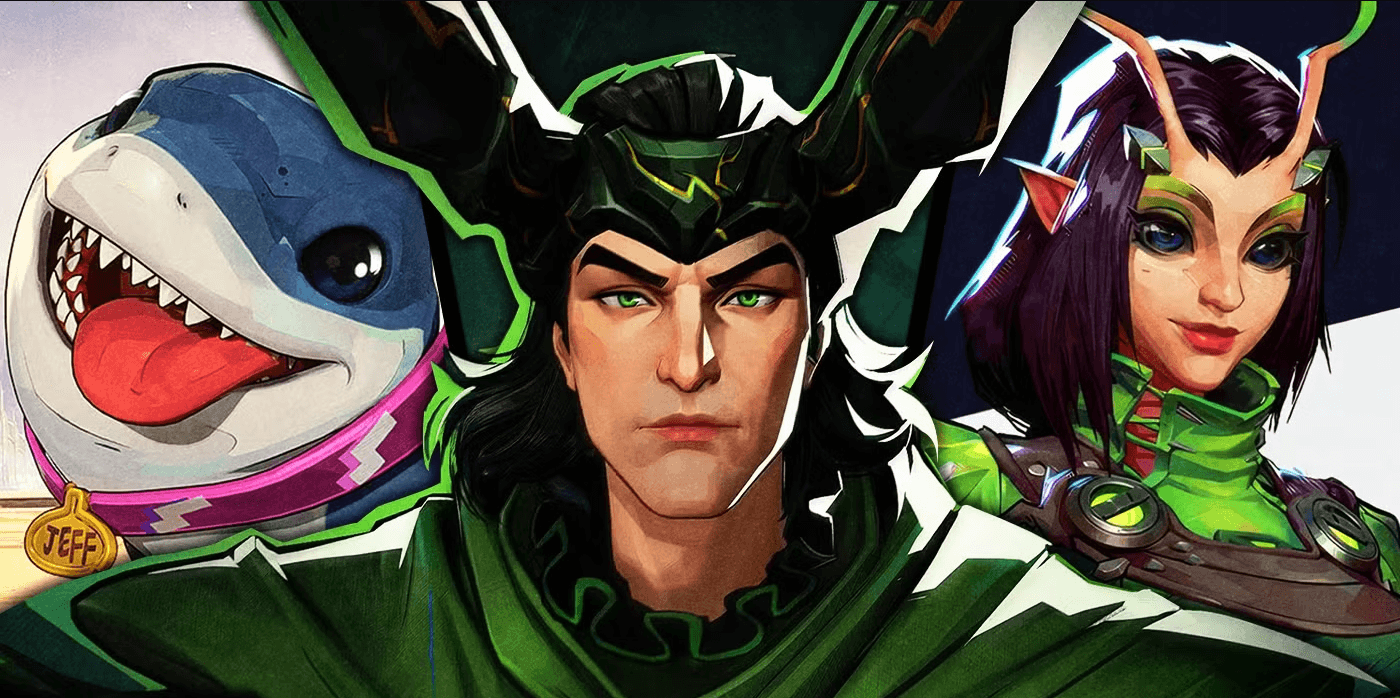
Loki – Complex Versatile Support with Decoys and Ultimate Copying
Loki stands out as a support character who demands strategic thinking and precise execution. His decoy system creates AI-controlled duplicates that serve dual purposes:
Healing Allies: Decoys emit healing pulses to nearby teammates
Harassing Enemies: Each clone attacks opponents with ranged abilities
The God of Mischief's invisibility skill enables critical positioning advantages:
Quick escapes from danger
Sneaking behind enemy lines
Setting up surprise healing positions
Creating space for team engagements
His signature ability to copy and use other heroes ultimates adds a layer of adaptability to his kit. This power requires:
Strong game knowledge
Quick decision-making
Understanding of optimal timing
Recognition of high-value ultimate abilities
The trade-off for Loki's versatility is his high skill floor. Players must master:
Clone placement optimization
Invisibility timing
Ultimate ability selection
Position management
His effectiveness scales directly with player experience and team coordination. While challenging to master, Loki rewards skilled players with game-changing support potential through strategic clone deployment and well-timed ultimate copying.
Jeff the Land Shark – Simple but Effective Healing and Buffs
Jeff the Land Shark is one of the easiest support characters to use in Marvel Rivals. His water spray healing ability delivers consistent healing output through a direct stream, making it easier to target and maintain healing on allies compared to projectile-based healers.
Key Strengths:
Water spray healing provides reliable, steady healing output
Movement speed buffs help teammates engage or disengage quickly
Submerging ability grants temporary invulnerability and self-healing
Simple kit design allows players to focus on positioning and timing
The submerging mechanic sets Jeff apart from other supports, acting as both a defensive tool and a self-sustain option. When submerged, Jeff becomes temporarily invulnerable and regenerates health, creating opportunities to survive intense fights or reposition safely.
His ultimate ability temporarily removes enemies from combat, creating space for teammates to secure objectives or recover. This displacement effect proves particularly valuable when coordinating with Duelists and Vanguards during crucial pushes.
Jeff's straightforward playstyle makes him an excellent choice for players new to the support role. His abilities require minimal mechanical skill, letting players concentrate on fundamental support concepts like positioning and heal prioritization. The combination of consistent healing output and utility-focused abilities makes Jeff a reliable pick across various team compositions.
Rocket Raccoon – Limited Healing but Strategic Respawn Support
Rocket Raccoon is a unique support character who focuses on reviving teammates instead of healing them. His special ability, the respawn machine, allows fallen allies to join the battle right where they were defeated, giving the team an advantage in holding objectives.
The Drawbacks of Rocket's Healing Abilities
While Rocket has some healing capabilities, they come with significant drawbacks:
His healing orbs move slowly, making it hard to hit moving targets
The range of his healing is limited, making it less effective in fast-paced fights
Compared to other support heroes, Rocket's base healing output is low
Rocket's Strengths: Tactical Positioning and Team Coordination
Rocket's strengths lie in his ability to position himself strategically and coordinate with his teammates:
Strategic Revival Points
Placing the respawn machine near objectives
Allowing teammates to quickly return to combat
Minimizing downtime after eliminations
Damage Output Trade-offs
Having below-average damage potential
Lacking self-defense capabilities
Requiring strong protection from the team
Rocket's effectiveness heavily relies on understanding the map and carefully placing his machine. Teams need to adjust their playstyle to make the most of his unique revival ability while compensating for his healing limitations. Instead of being a direct combat support, Rocket's role becomes managing resources strategically, making him a specialist choice for coordinated teams rather than a versatile healer.
Comparative Analysis of Strategist Characters Strengths and Weaknesses
Each support character in Marvel Rivals brings unique attributes that shine in specific team compositions. Here's a detailed breakdown of their core strengths and limitations:
Character Key Strengths Notable Weaknesses Mantis | • High healing potential • Strong buff capabilities • Excellent self-sustain | • Steep learning curve • Requires precise orb placement • Limited escape options |
Luna Snow | • Consistent healing output • Strong damage potential • Versatile ability kit | • Close-range effectiveness • Vulnerable during ultimate • Resource management demands |
Invisible Woman | • Reliable damage mitigation • Strong positioning control • Good escape mechanics | • Shield timing complexity • Limited offensive impact • Team coordination dependent |
Adam Warlock | • Game-changing resurrection • Effective damage sharing • Strong team protection | • Long cooldowns • Position-dependent healing • Ultimate timing crucial |
Cloak & Dagger | • Dual utility options • Strong crowd control • Area denial potential | • Split focus requirement • Complex ability combos • Team positioning reliance |
Loki | • High skill ceiling • Ultimate flexibility • Strong deception tactics | • Inconsistent healing • Complex ability management • Team coordination heavy |
Jeff the Land Shark | • Easy to learn • Reliable healing output • Good mobility options | • Limited utility options • Predictable patterns • Basic ability kit |
Rocket Raccoon | • Unique respawn utility • Area control potential • Strategic placement options | • Low healing output • Slow projectile speed • Limited self-defense |
These strategists characters create distinct team dynamics. Mantis and Luna Snow excel with aggressive teams, providing sustained healing during pushes. Invisible Woman and Adam Warlock strengthen defensive setups through damage mitigation and protection.
Tips for Maximizing the Effectiveness of Support Characters in Team Play
Mastering support play in Marvel Rivals requires specific positioning and timing strategies to maximize your impact on team fights. Here are key practices to enhance your support gameplay:
Positioning Fundamentals
Stay behind your frontline Vanguards, using them as natural shields
Maintain line of sight with both allies and escape routes
Use high ground spots to expand your healing range while staying protected
Switch positions frequently to avoid becoming predictable targets
Healing Priority System
Critical health Duelists engaged in combat
Vanguards maintaining frontline pressure
Other support characters under threat
Teammates preparing to engage
Top-off healing during downtime
Buff Timing Strategies
Apply damage buffs right as Duelists initiate their combos
Save speed boosts for teammates retreating from danger
Time defensive buffs with enemy ultimate ability usage
Coordinate shield abilities with planned team pushes
Communication Tactics
Call out when your healing abilities are on cooldown
Alert teammates when you spot flanking enemies
Signal when you're ready to support aggressive plays
Ping locations where you need protection or assistance
Resource Management
Track your healing cooldowns and energy levels
Reserve some healing capacity for unexpected engagements
Balance self-healing with team support needs
Keep ultimate abilities for critical team fight moments
Map Awareness Tips
Learn health pack locations for emergencies
Identify safe zones near objectives
Note cover spots that offer both protection and healing angles
Remember teammate respawn timers to adjust positioning
These strategies adapt based on your chosen support hero and team composition. Practice reading team fights to anticipate healing needs and coordinate your utility abilities with your team's engagement patterns.
Conclusion
Strategists characters play a crucial role in determining the outcome of every Marvel Rivals match. These Strategists are the backbone of successful teams, ensuring the survival of allies and enabling aggressive moves through well-timed buffs and heals.
The rankings presented here reflect each character's current impact on team dynamics, from Mantis's high-skill healing to Rocket Raccoon's strategic respawn support. Your choice of support hero should align with your preferred playstyle and team composition needs.
We encourage you to experiment with different Strategists in your matches. Each support character brings unique opportunities to influence the battlefield - discover the one that resonates with your approach and master their abilities to enhance your team's performance.